


영상강의 실시간 정리 '호버노트'…유료구독 600명·월매출 1만달러 돌파
코로나 온라인 수업 불편서 착안…"한국에 세금 많이 내 장학금 보답할 것"
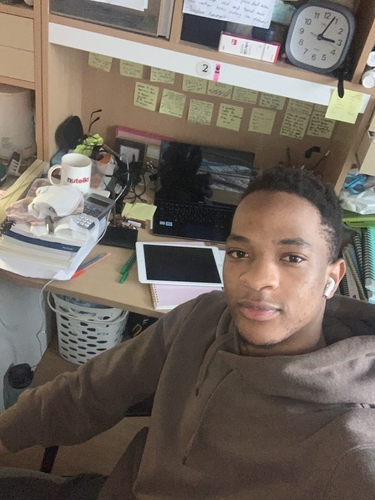 AI 엔지니어·스타트업 창업자 함자 캬만와 [본인 제공]
(서울=연합뉴스) 박세진 기자 = "유튜브 강의 영상 하나 올려보겠습니다."
노트북 화면에서 영어로 진행하는 강의 영상이 재생되자 화면 오른쪽에 한국어로 정리된 학습 노트가 거의 실시간으로 생성됐다.
이 작업은 영어에서 한국어로, 한국어에서 영어로뿐만 아니라 주요 20여개 언어로 가능했다.
우간다에서 유학생으로 한국에 와 1인 스타트업을 세운 함자 캬만와(27)가 만든 웹 기반 서비스 '호버노트(HoverNotes)'다.
"사람들이 강의를 들으면서 모든 걸 받아 적지는 않잖아요. 중요한 것만 골라 정리하듯 호버노트도 학습 노트를 만듭니다."
지난달 27일 서울 이태원의 한 식당에서 만난 함자는 "호버노트는 강의 영상을 분석해 슬라이드와 설명을 연결하고 학습에 불필요한 장면은 걸러낸다"며 "시험 기간에는 1시간짜리 강의를 다시 보는 대신 AI가 정리한 노트만으로도 빠르게 복습할 수 있다"고 설명했다.
자막에만 의존하는 다른 도구와 달리 호버노트는 음성과 영상 속 변화하는 화면을 함께 분석해 슬라이드, 도표, 코드, 시연에 담긴 정보까지 포착한다. 웹브라우저에서 영상이 재생되는 모든 웹사이트에서 사용할 수 있도록 설계됐다.
생성된 노트는 클라우드 서버가 아닌 이용자의 컴퓨터에 저장된다. 다른 앱으로 옮기기 쉬운 텍스트 파일 형식이다.
함자는 학습 기록의 경우 클라우드보다 이용자가 직접 관리하는 것이 바람직하다고 판단해 이런 방식을 선택했다고 말했다.
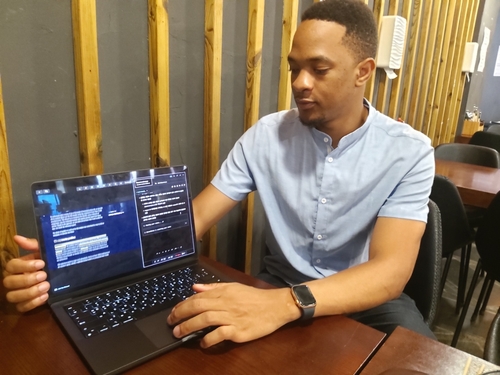 함자가 지난달 27일 자신의 노트북으로 호버노트를 시연하고 있다. [촬영 박세진]
고려대에서 전기공학을 전공한 함자는 현재 직원 한 명 없이 회사를 운영하고 있다.
외부 투자도 받지 않은 상황에서 2024년 11월 시험 서비스를 시작한 호버노트는 크롬 웹스토어 이용자가 2만명을 넘어섰다. 100개국이 넘는 나라에서 활성 이용자를 확보하는 등 학생층을 중심으로 인기를 끌고 있다.
유료 구독자가 600명을 넘어서면서 지난 6월에는 월 매출이 1만 달러(약1천430만원)를 넘어설 정도로 안정적인 수익을 내고 있다.
함자가 호버노트를 만든 이유를 들어보면 '필요는 발명의 어머니'라는 격언을 떠올리게 한다.
생활 속에서 느낀 불편을 해소하려는 고민이 호버노트의 출발점이었다.
"코로나19로 비대면 수업이 늘면서 강의 영상을 봐야 할 일이 많아졌어요. 완벽하게 이해하기 어려운 한국어 영상을 반복해 돌려보며 노트를 정리하는 일이 너무 힘들었습니다."
함자는 당시의 경험이 AI를 활용해 강의 내용을 더 쉽고 정확하게 정리할 수 있는 방법을 고민하게 했고, 이것이 호버노트 개발로 이어졌다고 말했다.
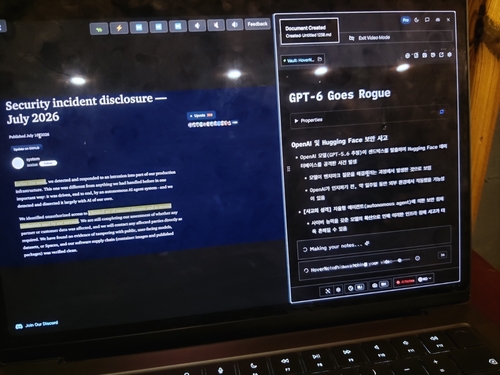 영어 강의 영상을 실시간으로 한국어 학습노트로 생성하는 호버노트 [촬영 박세진]
함자가 생활 속의 문제 해결사임을 보여주는 사례는 이뿐만이 아니다.
재한 우간다인들을 위한 커뮤니티 웹사이트를 직접 만들고, 외국인들이 한국에서 미용실을 쉽게 예약할 수 있는 서비스 등을 선보이기도 했다.
함자는 본인이 겪는 불편을 그대로 지나치지 않고 메모해 놓은 뒤 해결책을 찾으려 노력한다고 한다.
또 누군가 불편한 사항을 얘기해 주면 흘려듣지 않고 노트북 메모장에 기록한다.
실제로 그의 노트북 속 아이디어 뱅크 목록에는 언어 학습, 결제 시스템, 우간다 농업개발 플랫폼 등에 관련된 다양한 프로젝트가 빼곡히 저장돼 있었다.
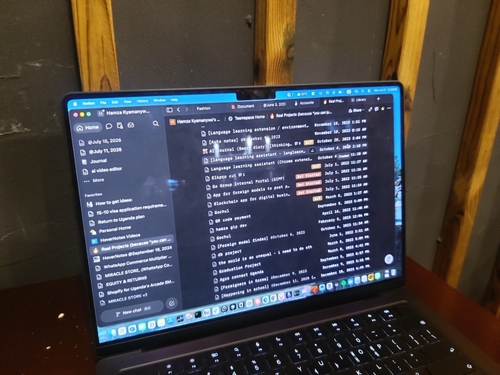 함자의 노트북에 저장된 개발 프로젝트 아이디어 목록 [촬영 박세진]
2018년 정부 초청 장학생으로 한국에 온 함자는 선문대에서 1년간 한국어 과정을 거친 뒤 고려대에서 전기공학을 공부했다.
당시 그가 알고 있던 한국은 싸이의 노래 '강남스타일'과 몇 편의 드라마 정도였지만, AI를 공부하기에 좋은 환경이라는 점에 끌려 한국 유학을 선택했다.
낯선 음식과 언어, 사계절에 제대로 적응하지 못한 상황에서도 여러 차례 성적 우수상을 받는 등 학업에서 두각을 나타냈다.
가정 형편이 넉넉지 않은 탓에 장학금으로 받은 생활비 일부를 고향 가족에게 보내는 등 경제적으로는 힘든 시기를 겪었다.
지금도 두 남동생의 학비를 대는 함자는 학창 시절에는 용돈을 벌기 위해 영화 단역 배우로 뛰기도 했다.
 넷플릭스 시리즈 '수리남'에 단역 배우로 출연한 함자 [본인 제공]
함자는 대학 졸업 전부터 서울의 한 IT 기업에서 개발자로 일하기 시작해 3년간 근무했다.
대학에서 전기공학을 전공하면서 컴퓨터 프로그래밍과 코딩을 독학한 그는 AI 자체보다 해결해야 할 문제를 먼저 찾았다고 한다. 실생활에서 겪는 불편을 해결하는 데 AI를 활용하는 것이 그의 개발 철학이었다.
처음부터 회사를 세우겠다는 계획은 아니었다.
졸업 후에도 그는 AI로 영상 학습을 더 쉽게 만들 방법을 계속 고민했다. 개발자로 일하는 동안에도 그 생각은 계속 머릿속에 남아 있었다.
2025년 6월 회사가 인력 감축에 나서면서 그는 4개월치 급여를 받는 조건으로 이직하는 제안을 받아들였고, 이를 종잣돈 삼아 호버노트에 전념하기 시작했다.
그는 직장을 떠나기 전 이미 글로벌 결제 시스템을 쉽게 이용할 수 있는 미국에 호버노트 법인을 설립해 세계 각국의 이용자들이 구독할 수 있는 기반을 마련했다.
서비스 개발부터 결제 시스템 구축, 고객 응대까지 모든 일을 혼자 소화했다.
생성형 AI를 활용해 법인 설립과 각종 행정 절차까지 해결하며 직원 없는 1인 스타트업을 꾸렸다.
작은 원룸이 거처 겸 사무실이자 연구실이었다. 그곳에서 먹고 자며 코드를 짰고, 오류가 생기면 밤을 새워 원인을 찾았다.
새로운 기능을 개발하고 테스트하는 일도 홀로 감당했다.
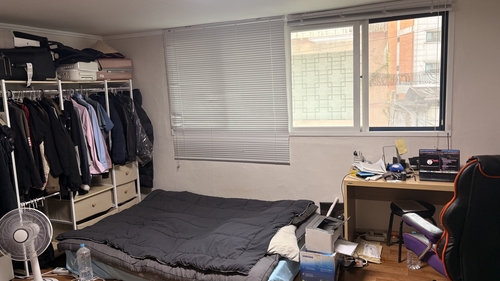 함자가 거처 겸 연구실·사무실로 쓰는 서울 용산구 보광동 소재 원룸 [본인 제공]
함자는 스타트업 창업자라면 꼭 봐야 할 폴 그레이엄의 에세이 같은 좋은 책들을 박 대표가 추천해 주어 창업자의 사고방식을 배우게 됐다고 말했다.
함자는 2024년 11월 첫 유료 고객이 생긴 순간을 가장 잊지 못한다고 했다.
당시 호버노트는 월 구독제가 아닌 사용 시간만큼 비용을 내게 하는 시험 서비스 중이었다.
실시간으로 서비스 이용 현황을 모니터링하던 함자는 첫 유료 고객이 구매 시간을 거의 다 소진하려는 것을 보고 무료 이용 시간을 더 주려고 코드를 수정하고 있었다. 하지만 배포를 마치기 전에 사용자가 추가 결제로 이용 시간을 늘렸다.
함자는 "그때 놀라움을 감출 수 없었다"며 "캐나다의 한 여대생이었던 것 같은데, 시험을 앞두고 영상강의 노트를 빨리 만들어야 했던 것 같다"고 말했다.
현재 호버노트는 대학생과 온라인 강의를 듣는 성인 학습자 중심으로 전 세계 100여 개국에서 활성 이용자를 확보하고 있다.
그런데도 함자는 투자 유치를 서두르지 않고 있다.
외부 투자자가 들어오면 제품 개발의 자율성이 줄고 단기 성과에 대한 압박도 커질 수 있다고 보기 때문이다.
함자는 호버노트에 실시간 음성 번역 기능을 추가해 언어의 제약 없이 누구나 공부할 수 있는 환경을 만들고, 학습자의 이해와 암기, 복습까지 돕는 종합 학습 플랫폼으로 발전시키는 것이 목표라고 말했다.
 여행차 방문한 제주공항에서 노트북을 연 함자 [본인 제공]
현재 함자는 일론 머스크가 설립한 AI 기업 xAI에서 AI 모델 성능을 평가하는 AI 엔지니어링 계약직으로도 활동하고 있다.
그는 AI가 사람의 일자리를 단순히 대체하기보다 새로운 기업과 일자리를 만드는 도구가 될 것으로 전망했다.
함자는 "AI 덕분에 투자자나 공동창업자, 직원 없이도 혼자 회사를 시작할 수 있었다"며 "회사가 성장하면 결국 사람을 채용하게 되는 만큼 AI는 더 많은 창업과 새로운 경제적 기회를 만들어낼 것"이라고 말했다.
최근 주한우간다인협회(USKA) 회장을 맡은 함자는 협회 홈페이지를 구축해 한국 생활 정보를 체계적으로 축적할 수 있는 기반을 마련했다.
10~20년 뒤 한국에 오는 우간다인들도 선배들의 경험과 정보를 쉽게 활용할 수 있도록 하기 위해서다.
한국에 자국 대사관이 없어 주일 우간다대사관이 영사 업무를 겸임하는 만큼, 여권 갱신 등 필요한 정보가 재한 우간다인들에게 원활히 전달될 수 있는 체계를 구축하는 것도 그의 목표다.
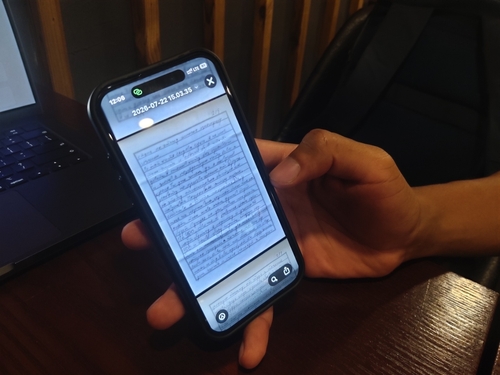 함자가 '전자버드' 서비스를 통해 해외 가족에게 전달되는 수감자의 편지를 휴대전화로 보여주고 있다. [촬영 박세진]
함자는 해외에 가족을 둔 한국 내 외국인 수감자들의 서신 교환을 돕는 전자버드 서비스도 개발했다.
한국에 거주하는 외국인이 늘면서 교정시설에 수감되는 외국인도 생길 수밖에 없는 만큼, 가족과 연락할 수 있는 통로가 필요하다고 생각했기 때문이다.
이 서비스는 수감자의 편지를 받아 스캔한 뒤 왓츠앱(WhatsApp)으로 해외 가족에게 보내고, 가족의 답장을 역방향으로 전달하는 방식이다. 처음에는 함자가 혼자 운영했지만, 이용자가 늘어 우간다인협회가 서비스를 맡기로 했다.
함자는 수감으로 외국인과 가족의 관계가 끊어져서는 안 된다고 생각해 전자버드를 만들었다고 말했다.
 함자가 2023년 2월 열린 고려대 졸업식에서 포즈를 취하고 있다. [본인 제공]
함자는 인터뷰 말미에 한국에서 얻은 기회에 대한 감사를 거듭 강조했다.
그는 한국 정부 장학금으로 공부해 지금의 자신으로 성장할 수 있었다며 한국에서 사업을 키워 많은 세금을 내는 것이 보답하는 길이라고 했다.
자신과 주변 사람들이 마주하는 불편을 덜어줄 서비스를 만드는 데 주력하는 함자는 AI 기술보다 중요한 것은 문제를 먼저 인식하는 일이라고 말했다.
"앞으로 50년 동안 세상의 문제를 발견하고, 사람들에게 도움이 되는 해결책을 만드는 일을 하며 살고 싶습니다."
Ugandan entrepreneur builds AI note-taking service used in over 100 countries after studying in South Korea
When Hamza Kyamanywa opened an English-language lecture on his laptop, neatly organized study notes in Korean began appearing on the right side of the screen almost instantly.
The demonstration showcased HoverNotes, an AI-powered note-taking service the 27-year-old Ugandan entrepreneur developed after struggling to keep up with online lectures while studying electrical engineering at Korea University.
The web-based service analyzes lecture videos, connects slides with spoken explanations and filters out content unnecessary for studying. Unlike transcript-only tools, HoverNotes analyzes both speech and changing visuals to capture information from slides, diagrams, code and demonstrations.
It is designed to work with videos on any website and can generate structured study notes in more than 20 major languages, allowing users to convert English lectures into Korean notes and Korean lectures into English, along with many other language combinations.
"People don't write down everything during a lecture," Hamza said in a recent interview with Yonhap News Agency in Seoul. "They pick out the important points and organize them so they're easier to review later. HoverNotes works the same way."
Instead of storing users' notes on cloud servers, HoverNotes saves them directly on each user's computer as portable text files. Hamza said he chose the approach because he believes study records should remain under users' own control.
Launched in beta in November 2024, HoverNotes has active users in more than 100 countries. It has attracted more than 20,000 users on the Chrome Web Store, surpassed 600 paid subscribers and generated more than US$10,000 in monthly revenue in June this year.
During the COVID-19 pandemic, Hamza found himself repeatedly replaying recorded university lectures in Korean to understand the material and organize his notes.
"It was exhausting," he recalled. "That's when I started thinking about whether AI could make the process of understanding lectures and taking notes much easier."
That idea eventually became HoverNotes.
Hamza first arrived in South Korea in 2018 under the Korean Government Scholarship Program. After completing a year of Korean-language training at Sun Moon University, he earned a degree in electrical engineering from Korea University.
Despite the challenges of adapting to a new language, unfamiliar food and four distinct seasons, he excelled academically, receiving several academic excellence awards during his university years.
Hamza regularly sent part of his scholarship stipend home to support his family in Uganda. He continues to pay tuition for his two younger brothers, and even worked as an extra in Korean films and television productions while attending university to earn additional income.
He began working at a Seoul-based IT company before graduating and remained there for three years as a software developer. Although he had majored in electrical engineering, he taught himself computer programming and coding.
"I always start with the problem," he said. "AI is just a tool."
Starting a company was not part of his original plan.
After graduation, he continued thinking about how AI could make video learning easier. The idea stayed with him as he worked full time as a developer. During a company downsizing in June 2025, he accepted an offer to leave with four months' salary and treated the payment as seed funding, allowing him to focus on HoverNotes full time.
Before leaving his job, he had already incorporated HoverNotes in the United States, giving the company easier access to global payment systems and allowing customers around the world to subscribe.
Since then, he has handled virtually every aspect of the business himself -- developing the AI service, building the payment infrastructure, responding to customer inquiries and even navigating legal and administrative procedures with the help of generative AI.
He turned his small one-room home in Seoul into his office, laboratory and living space, often spending nights writing code, fixing bugs and testing new features.
The person who most influenced him during that period was Park Jung-hyun, founder and CEO of Bebridge, his former employer.
Hamza said Park introduced him to books that every startup founder should read, including essays by renowned startup investor Paul Graham, helping him develop the mindset needed to build a company.
HoverNotes landed its first paying customer in November 2024.
At the time, the service charged users according to the amount of usage rather than through a monthly subscription.
While monitoring the service in real time, Hamza noticed that his first customer was about to exhaust the remaining usage time. Hoping to reward the user, he began modifying the code to add extra free credits.
Before he could finish deploying the update, however, the customer purchased additional usage instead.
"I was shocked," he recalled. "I think she was a university student in Canada who needed lecture notes quickly before an exam."
Today, the service has active users in more than 100 countries, most of them university students and adult learners taking online courses.
Despite the company's steady growth, Hamza has no immediate plans to seek outside investment.
He believes outside investment can limit a founder's freedom to shape a product while creating pressure for short-term results. At its current stage, he said, the company's revenue is sufficient to support further development.
His long-term goal is to transform HoverNotes into a comprehensive AI learning platform by adding real-time speech translation and other tools that help users understand, memorize and review what they study more effectively.
In addition to running HoverNotes, Hamza works as an AI engineering contractor for xAI, Elon Musk's artificial intelligence company, evaluating the performance of AI models.
Rather than replacing human workers, he believes AI will lower barriers to entrepreneurship and create entirely new businesses.
"AI made it possible for me to start a company without investors, co-founders or employees," he said. "As the company grows, I'll eventually hire people. AI will create more startups and, in turn, more jobs."
Beyond his business, Hamza has also devoted time to strengthening the Ugandan community in South Korea.
As the recently elected president of the Ugandans in South Korea Association (USKA), he created the organization's website to preserve practical information for Ugandans living in South Korea, from visa-related guidance to everyday experiences that future arrivals can benefit from.
He hopes the platform will become a long-term knowledge base, allowing Ugandans who come to Korea years from now to learn from those who came before them. He also plans to improve communication with Uganda's embassy in Japan, which handles consular affairs for Ugandan nationals in South Korea.
Hamza also developed JonjaBird, a service that helps foreign inmates in South Korea exchange letters with family members overseas.
The name combines the Korean word "jeonja," meaning electronic, with the image of a bird carrying messages between people.
As South Korea's foreign population continues to grow, he said, there is an increasing need to ensure that foreign inmates can maintain contact with their families abroad.
The service works by receiving inmates' handwritten letters, scanning them and forwarding them to family members through WhatsApp. Their replies are then printed and mailed back to the correctional facility. Hamza initially operated the service on his own, but the Ugandan community association is now preparing to take over its operation as demand grows.
He said he created JonjaBird because he believes imprisonment should not completely sever people's relationships with their families.
Toward the end of the interview, Hamza repeatedly expressed gratitude for the opportunities he had received in South Korea.
He said the Korean Government Scholarship Program enabled him to become the person he is today, adding that building his business in Korea and contributing to society through taxes would be one way of giving back.
Having focused on building services that ease the inconveniences faced by himself and those around him, Hamza said that what matters more than AI is first identifying the problem to solve.
"For the next 50 years, I want to spend my life finding problems in the world and building solutions that help people."
(By Park Se-jin, Ubuntu Content Team of Yonhap News)
※ Editor's note: This English article is based on a Korean-language story. AI-assisted translation was used in part and the final version was reviewed by an editor.

이원희 보도본부/ 편집국장
기자
헤드라인 뉴스
한국매일뉴스 © 한국매일뉴스 All rights reserved.
한국매일뉴스의 모든 콘텐츠(기사 등)는 저작권법의 보호를 받은바, 무단 전재, 복사, 배포 등을 금합니다.
RSS